How We've Helped, In Their Words

Two engagements, walked through end to end: the problem on the ground, what Arjava did about it, and the result the client saw.

Oil & gas pipeline EPC contractor, 32+ projects across 10+ states

Shanti Infraconstruct

Problem: A ₹12,00,000 material quote at one site looked like the going rate, since there was no easy way to check it against purchase history from other sites.
What we did: Arjava's vendor rate history flagged a cheaper vendor already in the system's records. A landed-cost check added transport costs and confirmed it was still the better deal.
Result: ₹3,30,000 saved on a single purchase order (about 27.5%), caught automatically before the money was spent, with a full audit trail showing why.

Key takeaway: A price is only as good as what you can compare it against — centralizing purchase history turns hidden savings into the default decision.

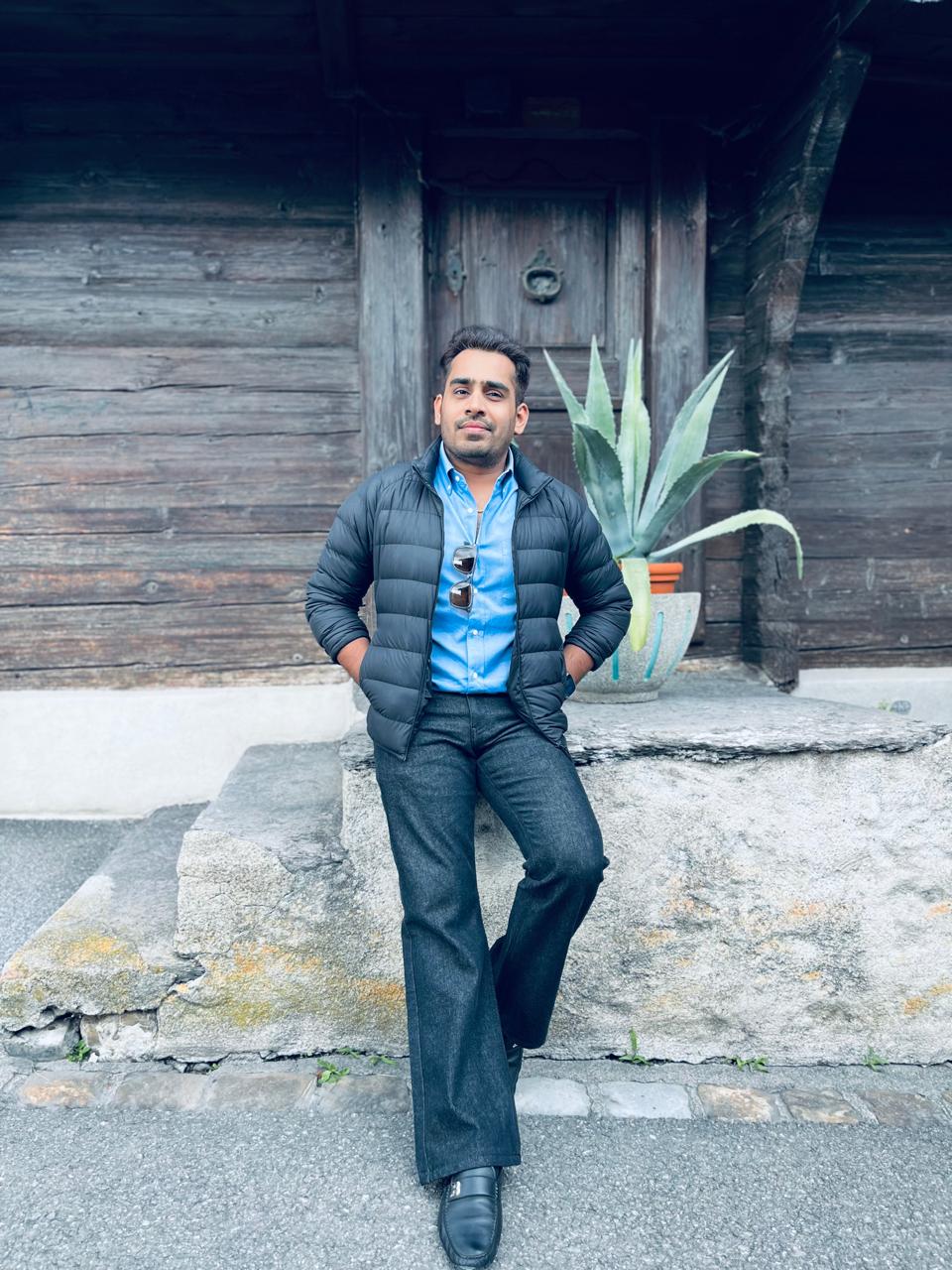
“Before Arjava, we had no visibility into what happened between approval and payment. Now every purchase and payment is tracked end to end, and I can see exactly where it goes from one dashboard, instead of piecing it together after the fact.”
Ankur Singh

Ankur Singh, Director, Shanti Infraconstruct

Read the full story

Client-reported, not independently audited.
Water, wastewater & environmental engineering, 25+ years, 400+ projects

S.S. Engineering Works

Problem: Procurement, stores, site execution, and billing were all coordinated over Excel, phone calls, and WhatsApp, so discrepancies between plan and actual stayed invisible until year-end reconciliation.
What we did: Arjava mapped the tender-to-billing lifecycle end to end and rolled it out module by module: procurement, inventory, projects, approvals, and dashboards.
Result: A bank guarantee validity alert caught a tender submission before it went out invalid, and purchase approvals dropped from 3 days to same-day.

Key takeaway: Cost leakage is usually a visibility problem, not a discipline problem — once procurement, stores, and billing can be seen together, money that was already being lost becomes visible and stoppable.

“Procurement, stores, and billing were largely managed through Excel, phone calls, and WhatsApp, making it difficult to track transactions and identify discrepancies in real time. As a result, many issues only came to light during year-end reconciliation. With Arjava providing a single, integrated audit trail, businesses can now track transactions end-to-end, identify leakages earlier, and gain visibility into costs that were previously going unnoticed”

Kartik Singh

Kartik Singh, Director, S S Engineering Works Limited

Read the full story

Client-reported, not independently audited.

How Arjava Compares to Freelancers and Large Agencies

Every option looks fine on paper. These are the factors that actually shape how a project goes.

Time to first launch
Freelancer8–16 weeks, timeline shifts often
Large Agency3–6 months
Arjava 4–6 weeks*
How you're billed
FreelancerHourly, hard to predict
Large AgencyHourly or retainer, costly
Arjava Scoped and priced upfront*
AI in the workflow
FreelancerRarely used
Large AgencyUsed on some projects
Arjava Used on every project*
How you're kept in the loop
FreelancerUpdates when something comes up
Large AgencyWeekly check-ins, if that
Arjava Daily updates*
Code and data after handoff
FreelancerDepends on the contract
Large AgencyVendor often keeps control
Arjava Ships to your own repo*
ERPNext and Frappe depth
FreelancerHard to find
Large AgencyBilled as an add-on
Arjava Where we specialize*
What happens if someone's out
FreelancerWork stalls with them
Large AgencyLayered team covers gaps
Arjava Dedicated team, no single point of failure*
Support after launch
FreelancerUsually none
Large AgencyPaid AMC, about 15–25% a year
Arjava Included for a defined window*

Freelancer and agency figures come from published industry pricing guides (Clutch, GoodFirms) and Frappe/ERPNext certified-partner data.